Pickleball Noise
We frequently receive questions about the issue of pickleball noise. Pickleball generates significant noise, often to the point where it becomes a disturbance for nearby residents.
WE BITE PICKLEBALL NOISE
Pickleball courts can generate significantly more noise compared to traditional tennis courts.
This is largely due to the materials used — particularly the hard plastic ball and paddle — which create a sharp, repetitive sound with every impact. Since pickleball is typically played in doubles and involves quick volleys and constant action, the frequency and intensity of the noise are notably higher.
For nearby residents accustomed to the quieter rhythm of tennis, the sudden rise in sound levels can come as a surprise. As a result, clubs and facility managers may face complaints from neighbors or even local authorities.
Rather than getting into the complexities of permits or formal objections, let’s address the most common questions about pickleball noise — and explore how it can be effectively reduced.
Pickleball noise
Barriers forReduceWe biteLove sport without pickleball noise
Noise rejection
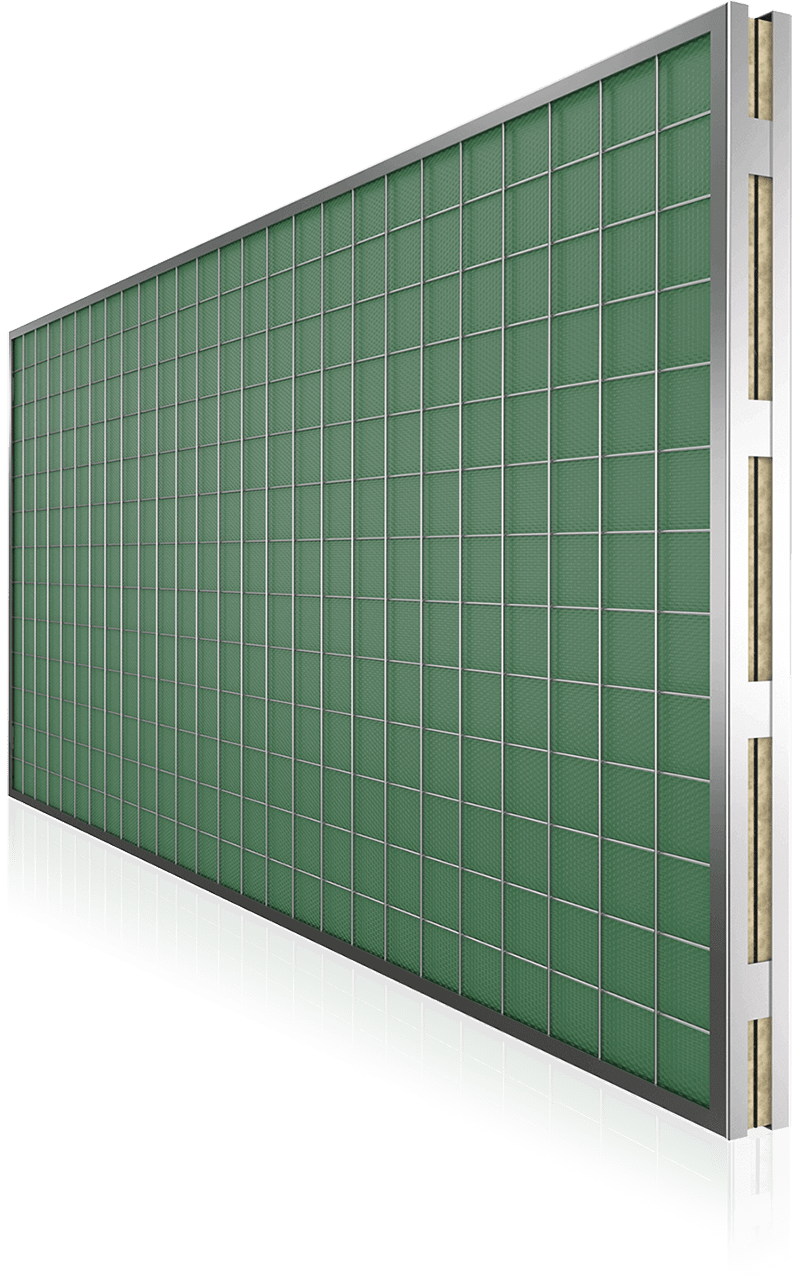
Guarantee more than 30 dB noise reduction on pickleball courts with advanced acoustic technologies.
Nature noise barrier
Harmonious, organic, and serene, creating a peaceful and aesthetically pleasing ambiance.
Long materials
Resilient and reliable, ensuring sustained performance with premium quality materials.
Sustainable
Eco-friendly, responsible, reducing environmental impact, nurturing a green, sustainable future.
Barriers for pickleball noise
Frequently asked questions
Lorem ipsum dolor sit amet, consectetur adipiscing elit. Ut elit tellus, luctus nec ullamcorper mattis, pulvinar dapibus leo.
Yes. If the barrier is properly placed, sized appropriately, and has the right acoustic qualities, it can significantly reduce pickleball noise. An acoustic consultant can provide precise calculations for the size and position of the barrier. This report is essential when applying for permits.
Yes. Installing a noise barrier, including one designed to block pickleball noise, requires a construction permit. Green-covered barriers are more likely to be approved compared to uncovered options.
You will need a structural and wind load calculation for the permit. This calculation must be performed by a structural engineer. Data about the ground conditions (CPT data) is also necessary for accurate quoting. Without it, estimations will include additional contingency costs.
The delivery time for a noise barrier designed to block pickleball noise is often shorter than the time required to obtain the necessary permit.
Yes, and it is highly recommended. Vegetation helps filter particulates, stores CO2, and produces oxygen. A padel green barrier also has the advantage of being resistant to graffiti. For natural fiber screens, greenery is essential unless
Expect to invest approximately €360 per square meter for a sound barrier around a pickleball court. You can ask here for a customized quote. The quote may include preliminary costs for the foundation work, the travel of the workers, etc.
Many clubs prefer to lower costs by involving members or volunteers in the installation process. We have our own professional team.