Noise barriers for pickleball courts
Achieve excellent noise reduction with a variety of models, materials and colours for acoustic screens, improving environments in pickleball clubs.
Noise barriers for pickleball
Maximize the advantages of cutting-edge technology and premium materials for tailored acoustic screens, transforming pickleball clubs impacted by noise pollution. Underscoring the significance for these clubs, these solutions promise an enhanced environment, heightening the experience for both players and neighbours.
Best noise barriers
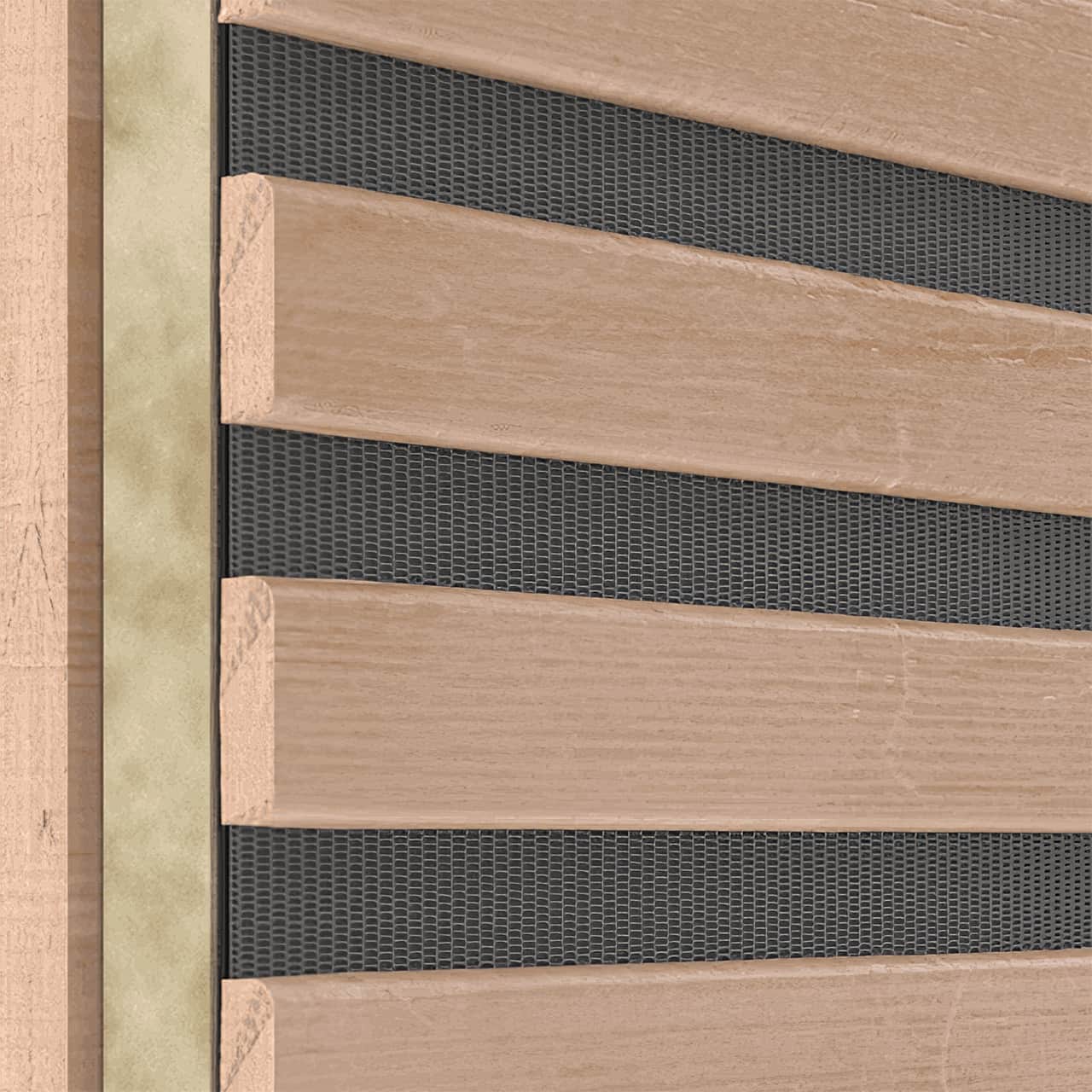
Sound rejectionNature appearanceLong durabilitySustainable and recyclable
Sound rejection
Guarantee more than 30 dB noise reduction for pickleball clubs implementing advanced acoustic technologies.
Nature appearance
Harmonious, organic, and serene, creating a peaceful and aesthetically pleasing ambiance.
Long durability
Resilient, enduring, and reliable, ensuring sustained performance and lasting quality.
Sustainable and recyclable
Eco-friendly, responsible, reducing environmental impact, nurturing a green, sustainable future.

Improve the living experience near your pickleball club with our acoustic solutions.
Crafted from high-quality materials, these innovations result from extensive engineering studies.
We prioritize harmonious surroundings, ensuring our acoustic solutions enhance the overall quality of life by minimizing noise impact. Choose excellence in design and materials to create a peaceful coexistence between sports and neighboring residents.
Barriers for Pickleball Courts
Features
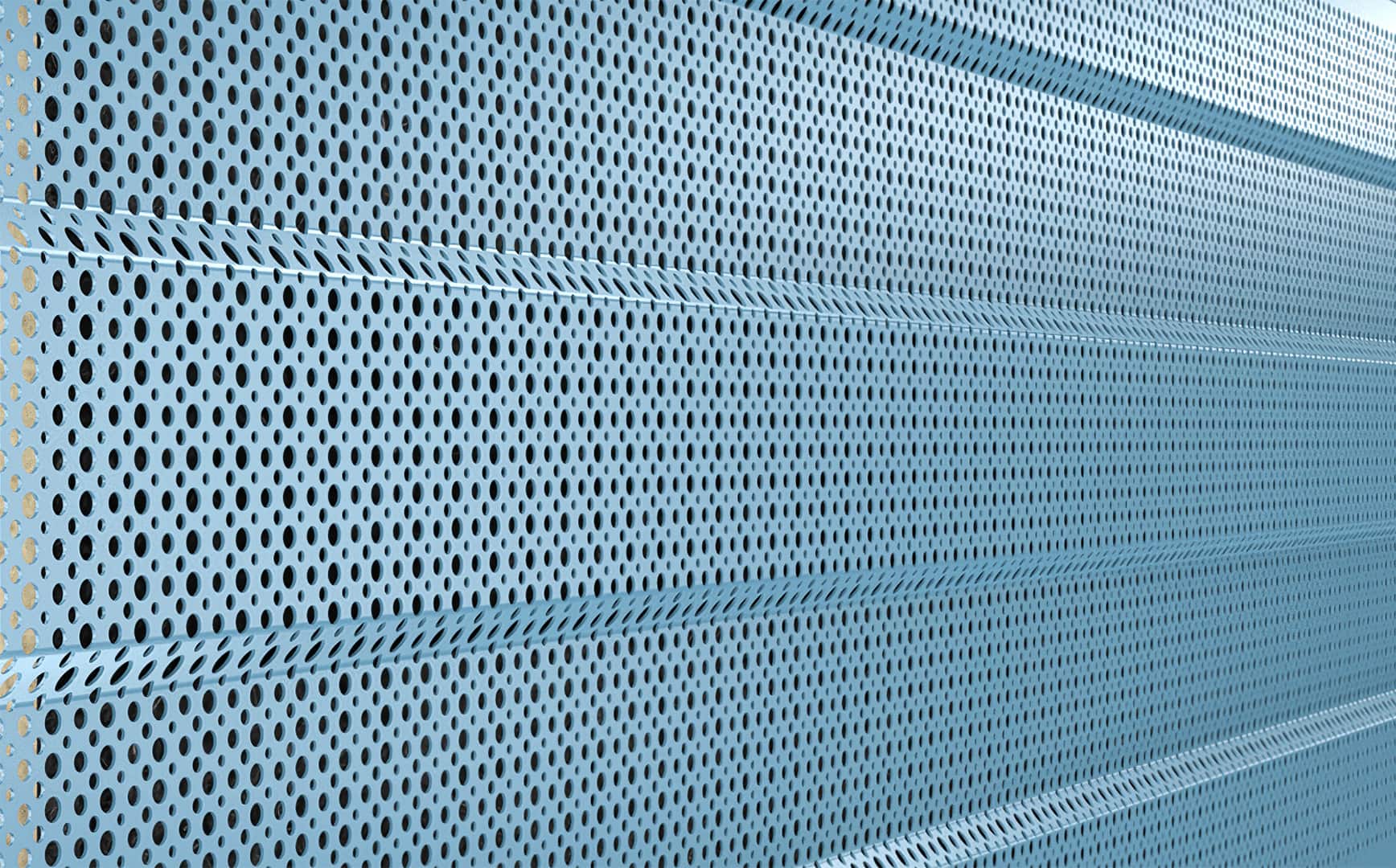
- Blends into the tracks, with or without plants.
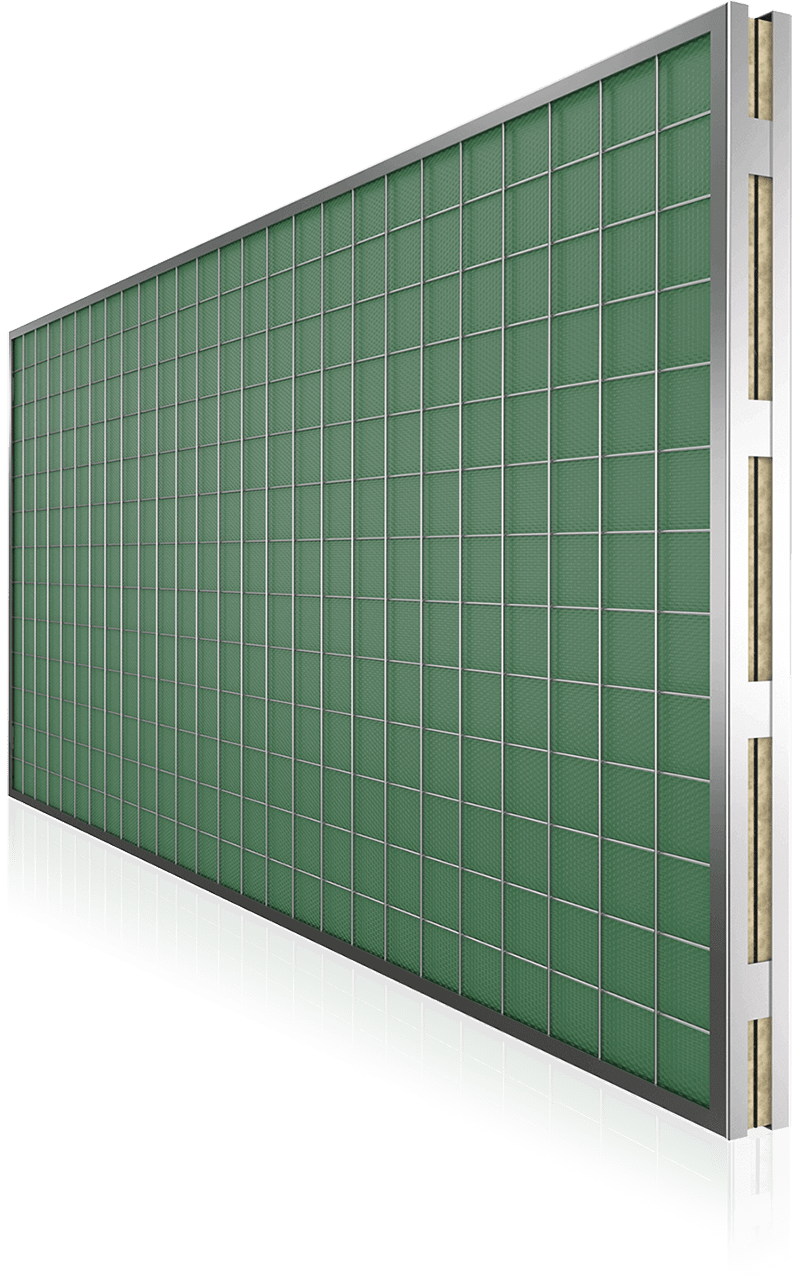
- Excellent insulating and absorbing acoustic effect.
- Anti-corrosion treatment of hot-dip galvanising.
- Long-term durability.
- Multiple personalizing option.
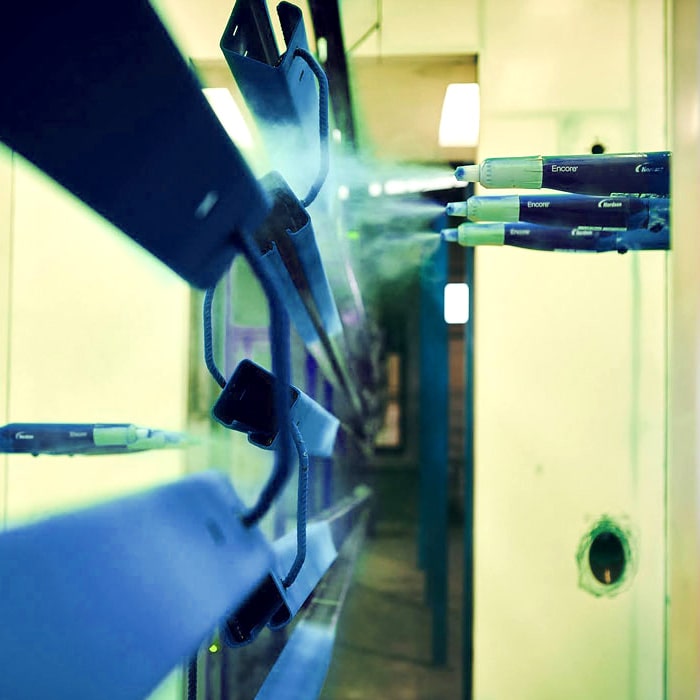
Hot deep galvaninsing steel
This process enhances steel's longevity, providing robust protection against rust and environmental elements. The resulting galvanized steel exhibits excellent strength and a smooth, uniform surface.
Noise reduction norms
Adhering to norms, we follow noise reduction standards, ensuring compliance for quieter environments, prioritizing community well-being and sustainability in diverse settings.
Tailored to meet your requirements
Crafted designs made specifically for your project, ensuring they perfectly fulfill your unique needs and aspirations.
Sound barriers for pickleball
Technical data
Absorption class:
A4
Insulation class:
B3
Absorption rate (DLa):
13
Airborne sound insulation index (DLáµ£):
26
Weighted Sound Reduction Index:
30 (-1;-4)
Tested in laboratory
Tested according to Standard EN 1794-1, have obtained very high loads in tests carried out in accredited laboratories.
Looking for a budget?
Barriers for pickleball courts
Frequently asked questions
Excessive noise in clubs can be a threat to health. High noise levels cause sleep disturbances, irritability, aggressiveness, respiratory problems, etc. Acoustic screens are the best corrective measure to minimise the propagation of the noise generated by acting as a barrier between the receiver and the source of the noise. They are also the most widely used anti-noise systems in transport infrastructures due to their efficiency, quick installation and value for money.
The management of noise pollution in transport infrastructures; roads, railways and airports has been compulsory for all administrations since the publication of European and national legislation and regulations. Each urban nucleus must have its corresponding strategic noise map that regulates the harmful and annoying effects caused to the population. The Noise Law 37/2007 and Royal Decrees 1513/2005 and 1367/2007, together with regional and municipal legislation based on European UNE standards, establish the obligation to carry out an Environmental Impact Statement (EIS) for road and rail projects. Only accredited acoustic engineering companies are authorised to carry out noise and vibration studies in the vicinity of roads, motorways, railway lines, airports, etc. Any company can market this service as long as it subcontracts the execution of the study to accredited companies.
We can classify different types of panels on the basis of the acoustic values obtained through tests in accredited laboratories. The modularity of the panels with minimum, medium and maximum sound-absorbing and sound-absorbing values allows them to be adapted to different solutions regardless of the height or length of the screen. However, the overall performance of the screen must be based not only on the type of panel (suitably sized) but also on the quality of the materials used. It is also necessary to take into account the climatological and environmental agents to which the panels will be exposed: wind, snow, UV rays, dew, corrosive environments, marine environments, etc. All the above-mentioned aspects together will serve as a guide for the project technicians to select the panel required for each project.